Healthy Weight Loss: What Actually Work ??
If you search for “weight loss” online, you’ll find thousands of extreme diets, magical pills, and contradictory advice. Most of it are useless , and some of it is dangerous.
The truth is Sustainable weight loss is not about starvation or perfection. It’s about small, consistent changes that you can maintain for life.
in this article gives you a simple ways to watch your weight
The Simple Math , weight loss comes down to energy balance:
Eat fewer calories than you burn → you lose weight
Eat more calories than you burn → you gain weight
But the real question is: How do you create calorie deficit without feeling hungry, or obsessed with food?
Here are some Strategies for Healthy Weight Loss
. Eat More Protein at Every Meal
Protein is the most filling nutrient. It reduces hunger hormones and increases hormones that make you feel full , it reduces cravings and late night snacking , and preserves muscle mass while you lose fat
Slightly increases metabolism (your body burns more calories digesting protein than carbs or fat)
Simple ways to add protein:
- Eggs at breakfast
- Chicken, fish, or tofu at lunch and dinner
- Greek yogurt or cottage cheese as a snack
- Beans and lentils in soups and salads
- Eat 20–30 grams of protein per meal.
. Fill Half Your Plate with Vegetables
Vegetables are low in calories but high in volume, fiber, and water. This means you can eat a large portion without eating many calories ,your stomach feels full, but your calorie in take stays low.
- At lunch and dinner, make sure half your plate is non-starchy vegetables (broccoli, spinach, peppers, cauliflower, zucchini, salad greens)
- Eat vegetables first, then protein, then starches
. Drink More Water (Especially Before Meals)
- Water has zero calories. Replacing sugary drinks (soda, sweetened coffee, juice) with water is one of the single best changes you can make.
- Drinking 500ml (about 2 cups) of water 30 minutes before a meal leads to eating fewer calories
- People who drink water instead of sweetened beverages consistently lose more weight
. Eat Slower and Without Distractions
Your brain takes about 20 minutes to register that your stomach is full. If you eat quickly , especially while watching TV or scrolling your phone ,you can easily overeat before you realize you’re satisfied.
- Eat at a table, not in front of a screen
- Stop eating when you feel 80% full
- This one change alone can reduce daily calorie intake without feeling like a diet.
. Get Enough Sleep
seriously, sleep is not optional for weight loss. Poor sleep increases ghrelin (the hunger hormone) and decreases leptin (the fullness hormone). Even one night of bad sleep can make you hungrier the next day.
- 7–9 hours per night for most adults
- Consistent bedtime and wake-up time (even on weekends)
If you’re doing everything else right but not losing weight, check your sleep first.
. Reduce Ultra-Processed Foods Not All Carbs
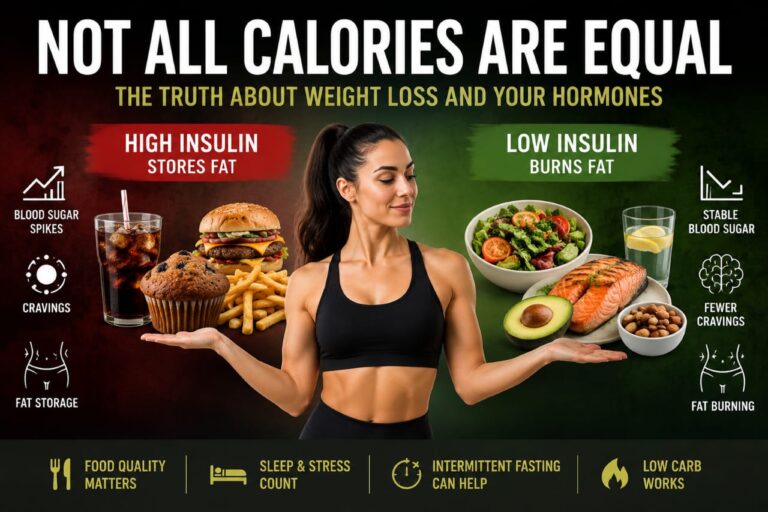
- Not all calories are equal in practice. Ultra processed foods (chips, sugary cereals, fast food, packaged cookies) are designed to be hyper palatable and easy to overeat. They also digest quickly, leaving you hungry soon after.
- Keep processed snacks out of your home and replace them with whole foods (fruit, nuts, yogurt, boiled eggs)
- Don’t fear whole-food carbs like potatoes, rice, oats, and beans , they’re fine in reasonable portions
. Move Your Body (But Don’t Rely on Exercise Alone for Weight Loss)
Exercise is excellent for health, mood, and maintaining weight loss. But it’s not the most efficient way to create a calorie deficit. It’s much easier to eat 300 fewer calories than to burn 300 calories through exercise.
How Much Weight Can You Lose Realistically?
Safe and sustainable weight loss is 0.5–1 kg (1–2 pounds) per week.
Faster weight loss is usually water weight or muscle, not fat. It also increases the chance of regaining the weight.
Think in months and years, not days and weeks. Losing 10 kg over 4 months is far better than losing 5 kg in 2 weeks and gaining it all back.
Signs You’re On the Right Track (Besides the Scale)
The scale doesn’t tell the whole story. These are better indicators of real progress:
- Your clothes fit looser
- You have more energy during the day
- You feel hungry in a normal way
- You’re not obsessing over food
- You can eat at a restaurant without anxiety
- You’ve stopped gaining weight (even if loss is slow)
Conclusion
Weight loss does not require a fancy diet, expensive supplements, or suffering. It just requires:
- Protein at every meal
- Vegetables filling half your plate
- Water instead of sugary drinks
- Slower eating without distractions
- Enough sleep (7–9 hours)
- Fewer ultra-processed foods
- Daily walking or movement
That’s it. Do these things most days, be patient, and ignore the noise.
If you’ve tried extreme diets before and failed, that’s not your fault , those diets were designed to fail. Start small. One change at a time. And give your body time to adjust.