What Your Body Really Needs for a Healthier Life
Food is much more than something we eat when we feel hungry. The foods we choose every day provide our bodies with the energy and nutrients needed to function, grow, repair tissues, and stay healthy.
In today’s busy lifestyle, it can be easy to choose convenient foods that are high in added sugars, unhealthy fats, and salt. These foods may taste good and save time, but eating too many highly processed foods on a regular basis may make it harder to maintain a balanced diet.
Healthy eating does not mean that you must follow a strict diet or completely avoid the foods you enjoy. Instead, it is about creating a balanced eating pattern that includes a variety of nutritious foods.
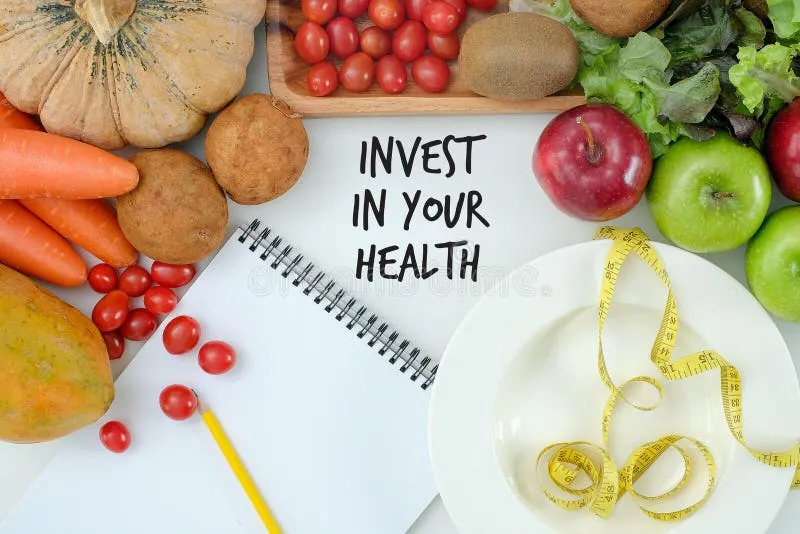
From colourful vegetables and fresh fruits to whole grains, protein-rich foods, healthy fats, and plenty of water, a healthy diet can provide your body with what it needs to function properly.
What Is Healthy Food?
Healthy food generally refers to foods that provide important nutrients while fitting into a balanced overall diet.
These foods can include vegetables, fruits, whole grains, beans, lentils, nuts, seeds, eggs, fish, lean meats, and dairy or fortified alternatives.
Different foods provide different nutrients. For example, fruits and vegetables are rich in vitamins, minerals, and fibre, while protein-rich foods help provide amino acids needed for maintaining muscles and other tissues.
Healthy eating is therefore not about finding one “perfect” food. It is about combining different foods so that your diet provides a broad range of nutrients.
1. Vegetables: A Foundation of a Healthy Diet
Vegetables are among the most valuable foods you can include in your meals.
Leafy greens, carrots, tomatoes, peppers, broccoli, cauliflower, onions, and many other vegetables provide vitamins, minerals, fibre, and other beneficial plant compounds.
One simple way to improve your diet is to add more variety and colour to your plate.
Different-coloured vegetables contain different naturally occurring compounds, so eating a variety of vegetables can help provide a wider range of nutrients.
You do not have to eat the same vegetables every day. Try changing your choices regularly and preparing them in different ways, such as steaming, roasting, grilling, or adding them to soups and salads.
2. Fruits Provide Natural Sweetness and Nutrients
Fruit is another important part of a balanced diet.
Apples, oranges, bananas, berries, peaches, grapes, and other fruits provide vitamins, minerals, water, and fibre.
Fruit can also be a convenient alternative to highly processed sweet snacks.
For example, instead of always reaching for cookies or candy when you want something sweet, you could choose a piece of fruit or combine fruit with yogurt, nuts, or another nutritious food.
Although fruit contains naturally occurring sugars, whole fruit also contains fiber and other nutrients. This makes it different from many sugary foods and beverages that provide large amounts of added sugar with relatively little nutritional value.
3. Protein Helps Support the Body
Protein is an essential nutrient that plays an important role in maintaining muscles and other body tissues.
Good sources of protein include eggs, fish, poultry, lean meats, beans, lentils, chickpeas, yogurt, milk, nuts, seeds, and other protein-rich foods.
Including a source of protein in your meals can also help make meals more satisfying.
You do not necessarily need to rely on one type of protein. Eating a variety of protein sources can make your diet more interesting and provide different nutrients.
For people who eat mostly plant-based foods, combining different plant protein sources throughout the day can help create a nutritious eating pattern.
4. Whole Grains for Long-Lasting Energy
Carbohydrates are an important source of energy, but the quality of carbohydrate sources matters.
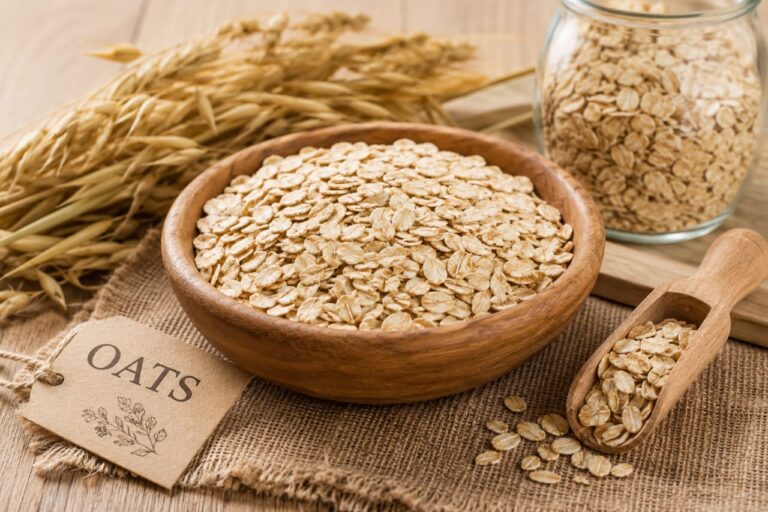
Whole grains such as oats, brown rice, whole-grain bread, barley, and whole-grain pasta contain more of the naturally occurring grain components than refined grains.
They can provide carbohydrates along with fiber and other nutrients.
Instead of thinking that all carbohydrates are “bad,” focus on choosing nutritious carbohydrate sources and appropriate portions.
A balanced meal can include whole grains alongside vegetables and a source of protein, creating a combination that provides energy and important nutrients.
5. Healthy Fats Are Also Important
Fat is an essential nutrient and should not be completely removed from a healthy diet.
Change block type or style
Move Paragraph block from position 40 up to position 39
Move Paragraph block from position 40 down to position 41
Change alignment
Change text alignment
Displays more block tools
Foods such as avocados, nuts, seeds, olive oil, and certain fish provide unsaturated fats and other nutrients.
However, fats are relatively high in calories, so portion sizes still matter.
The goal is not to avoid all fat but to choose healthier sources more often while limiting excessive consumption of foods high in saturated and trans fats.
Using moderate amounts of olive oil, adding a small portion of nuts to a meal, or eating fish regularly can be simple ways to include nutritious fats.
6. Why Fiber Matters
Fiber is found naturally in foods such as vegetables, fruits, whole grains, beans, lentils, nuts, and seeds.
It plays an important role in digestive health and can contribute to feelings of fullness.
Increasing Fiber intake gradually and drinking enough fluids can help support normal digestion.
Instead of looking for Fiber only in supplements, try to obtain it from a variety of whole foods.
For example, adding vegetables to lunch, choosing whole grains, eating fruit as a snack, and including beans or lentils in meals can all increase the amount of fiber in your diet.
7. Don’t Forget About Water
Healthy eating is not only about solid foods. Hydration is also an important part of a healthy lifestyle.
Water helps the body perform many essential functions, and fluid needs vary depending on factors such as activity, climate, diet, and individual circumstances.
A simple habit is to keep water available throughout the day and drink regularly according to your thirst and needs.
Replacing sugary drinks with water can also reduce unnecessary intake of added sugars and calories.
Processed Foods: Should You Avoid Them Completely?
Not necessarily.
Processed foods are not all the same. Some forms of processing can make foods safer, more convenient, or easier to store.
For example, frozen vegetables, canned beans, and pasteurized dairy products can all fit into a healthy diet.
The bigger concern is frequently consuming highly processed foods that are high in added sugars, sodium, or unhealthy fats while being relatively low in nutrients.
Instead of thinking in terms of “healthy” and “unhealthy” foods only, consider how often certain foods appear in your overall diet.
A balanced diet can still include occasional treats.
How to Build a Balanced Plate
You do not need complicated calculations to start building healthier meals.
A simple approach is to include several food groups in the same meal.
For example, you could combine:
- Vegetables or salad
- A source of protein
- A whole-grain or other nutritious carbohydrate
- A moderate amount of healthy fat
- Water or another appropriate drink
This type of meal can provide a mixture of nutrients and make it easier to create variety throughout the week.
The exact proportions can vary depending on your individual needs, preferences, culture, and lifestyle.
Healthy Eating on a Budget
Eating healthy does not always have to be expensive.
Some nutritious foods can be very affordable, especially when purchased in season or in larger quantities.
Beans, lentils, oats, eggs, potatoes, seasonal vegetables, bananas, and other basic foods can provide important nutrients without requiring expensive ingredients.
Planning meals before shopping can also help reduce food waste and prevent unnecessary purchases.
You can also prepare larger portions and save leftovers for another meal.
Healthy eating is not about buying the most expensive products. It is about making practical choices with the foods available to you.
Simple Healthy Food Swaps
Small changes can sometimes make a big difference.
Instead of drinking sugary beverages every day, choose water more often.
Instead of making highly processed snacks your main snack choice, try fruit, yogurt, nuts, or another nutritious option.
Instead of always choosing refined grains, include whole-grain options when practical.
Instead of making a meal mostly about processed meat or fried foods, add more vegetables and a nutritious protein source.
These changes do not require perfection. The goal is to gradually make healthier choices more often.
Frequently Asked Questions
1. Do I have to completely stop eating unhealthy food?
No. Healthy eating does not require completely eliminating every food that is considered less nutritious.
Foods such as desserts, fast food, or snacks can sometimes fit into a balanced diet when eaten in moderation.
What matters most is your overall eating pattern. If most of your diet consists of nutritious foods, there is generally room for occasional treats.
2. What is the healthiest food to eat every day?
There is no single food that can provide everything your body needs.
A healthy diet works best when it includes a variety of foods from different food groups.
Vegetables, fruits, whole grains, protein-rich foods, healthy fats, and adequate fluids can all contribute to a balanced diet.
Variety is important because different foods provide different nutrients.
Conclusion
Healthy eating does not have to be complicated, expensive, or restrictive.
A balanced diet is built from a variety of nutritious foods, including vegetables, fruits, whole grains, protein-rich foods, healthy fats, and plenty of fluids.
The goal is not to eat perfectly every single day. Instead, focus on making nutritious choices consistently and creating habits that fit your lifestyle.
Small changes—such as adding more vegetables, choosing whole foods more often, drinking more water, and paying attention to portion sizes—can gradually improve the quality of your diet.
Most importantly, healthy food should not be viewed as a temporary diet. It is a long-term approach to nourishing your body and supporting your overall well-being.
You don’t need a perfect diet. You need a balanced diet that you can maintain.