
The Hidden Toll of Carbonated Drinks: How Daily Soda Consumption Quietly Sabotages Your Health
Soft drinks, fizzy pops, and carbonated sodas have become ubiquitous in modern diets. Whether grabbed as a quick refreshment on a hot afternoon or paired with a fast-food meal, these sweet beverages are consumed by billions daily. However, behind the satisfying fizz and intense sweetness lies a complex combination of refined sugars, artificial additives, and acids that can systematically disrupt your body’s health over time.
Understanding the physiological impact of regular soda intake is essential for anyone looking to optimize their overall well-being. Here is an in-depth breakdown of how carbonated sweet drinks affect your internal systems and why cutting back might be one of the best choices for your long-term health.
🥤 1. The Sugar Bomb and Metabolic Overload
A single 355 ml (12 oz) can of regular soda typically contains roughly 39 grams of sugar—equivalent to nearly 10 teaspoons of refined sugar. This far exceeds the daily recommended limit for added sugars suggested by global health organizations in a single serving.
- Rapid Blood Sugar Spikes: Liquid sugar requires virtually no digestion. When consumed, it rapidly enters the bloodstream, forcing your pancreas to pump out massive amounts of insulin to manage the sudden surge. Over time, these frequent spikes exhaust your body’s insulin response, significantly increasing the risk of developing Type 2 diabetes.
- Visceral Fat Accumulation: Most sodas are sweetened with high-fructose corn syrup (HFCS) or sucrose. Fructose is processed almost entirely by the liver. When flooded with excessive amounts of fructose, the liver converts it directly into fat, leading to non-alcoholic fatty liver disease (NAFLD) and dangerous visceral fat stored around internal organs.
- Insatiable Cravings: Unlike whole foods that contain fiber, liquid calories do not trigger the satiety hormones that signal to your brain that you are full. Consequently, soda adds empty calories to your day without curbing your appetite, leading to overall overeating.
🦷 2. Dental Erosion: A Double-Front Attack on Teeth
The combination of high sugar content and intense acidity makes soda one of the most damaging substances for dental health.
- Enamel Dissolution: Soda contains acids such as phosphoric acid and citric acid, giving it a pH level usually ranging between 2.5 and 3.5. This high acidity strips away protective tooth enamel, weakening the structural integrity of your teeth.
- Bacterial Feeding Ground: The abundant sugar feeds harmful bacteria residing in the mouth. As these bacteria consume the sugar, they produce additional acid as a byproduct, creating an environment ripe for cavities, tooth decay, and chronic gum disease.
🦴 3. Bone Density and Nutrient Depletion
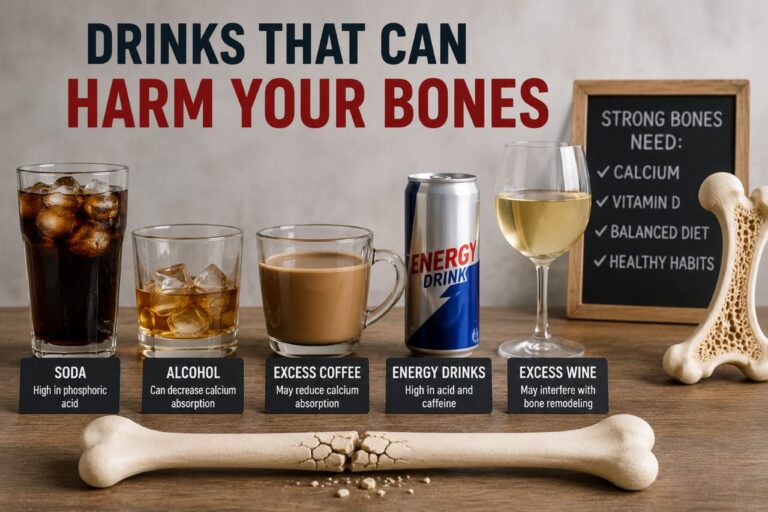
Consuming carbonated soft drinks on a routine basis can silently affect your skeletal system, particularly due to one key ingredient: phosphoric acid.
- Calcium Displacement: High levels of phosphoric acid alter the delicate calcium-to-phosphorus ratio in the body. To neutralize excessive acidity, the body may leach calcium out of the bones, leading to weakened bone mineral density over time.
- Replacing Nutrient-Dense Hydration: Soda often replaces water, milk, or natural juices in daily diets, depriving the body of crucial micronutrients like calcium, magnesium, and vitamin D necessary for maintaining strong bones and preventing long-term conditions like osteoporosis.
🫀 4. Cardiovascular Strain and Systemic Inflammation
While sugar is often associated primarily with weight gain, its impact on heart health is equally severe. Chronic consumption of sugary carbonated beverages triggers systemic inflammation across the body.
- Elevated Blood Pressure: Studies indicate that high fructose intake can raise uric acid levels, which leads to blood vessel constriction and higher blood pressure over time.
- Unfavorable Lipid Profiles: Regular soda drinkers frequently exhibit higher levels of triglycerides and low-density lipoprotein (LDL, or “bad” cholesterol), combined with lower levels of high-density lipoprotein (HDL, or “good” cholesterol), drastically increasing the long-term risk of heart disease and strokes.
🧠 5. Brain Health and Addiction Cycles
Sugary carbonated beverages directly influence brain chemistry and behavioral patterns through reward mechanisms.
- Dopamine Hijacking: The sudden flood of sugar triggers a massive release of dopamine in the brain’s reward center, mimicking the neural response seen with addictive substances. This leads to psychological dependence and persistent sugar cravings.
- Cognitive Decline Risk: High-sugar diets have been linked to increased neuroinflammation and reduced levels of Brain-Derived Neurotrophic Factor (BDNF), a key protein necessary for memory formation, learning, and overall cognitive health.
🧪 What About Diet Soda? The Artificial Sweetener Trap
Many people switch to “zero-sugar” or “diet” sodas assuming they are a risk-free alternative. While they do eliminate sugar calories, artificial sweeteners present their own set of concerns:
- Gut Microbiome Disruption: Artificial sweeteners like sucralose, aspartame, and saccharin can alter the composition and balance of beneficial bacteria in your digestive tract, potentially impairing healthy digestion and immunity.
- Sustained Sweet Cravings: Intense artificial sweeteners over-stimulate taste receptors, conditioning the brain to constantly desire hyper-sweet flavors and making wholesome, naturally sweet foods like fruit seem unappealing.
🎯 Conclusion
While a single glass of soda may seem like a harmless indulgence, the cumulative effect of daily consumption imposes a severe burden on your body. From metabolic disruption and dental degradation to systemic inflammation and cardiovascular strain, sugary fizzy drinks offer short-term sensory satisfaction at the cost of long-term vitality.
Reclaiming your health does not require overnight perfection, but rather conscious substitution. Swapping out carbonated sodas for pure water, sparkling water infused with fresh citrus, or antioxidant-rich herbal teas can drastically reduce your daily sugar intake. By making this single change, you give your liver, heart, and metabolic system the room they need to restore balance, build resilience, and thrive.