
7 Simple Habits That Can Help You Lose Weight Naturally
Introduction
Losing weight does not always require extreme diets, exhausting workouts, or giving up all the foods you enjoy. In many cases, sustainable weight loss begins with small daily habits that you can maintain for months and years.
Many people try to lose weight by making dramatic changes overnight. They severely restrict their food, skip meals, or follow very low-calorie diets. Although these approaches may sometimes lead to short-term weight changes, they can be difficult to maintain and may leave people feeling tired, hungry, and frustrated.
A healthier approach is to focus on consistent lifestyle habits. Eating nutritious foods, staying active, getting enough sleep, managing portions, and paying attention to hunger and fullness can all support a healthy weight.
Here are seven simple habits that can help you build a more sustainable approach to weight loss.
1. Focus on Whole, Nutrient-Dense Foods
One of the most useful habits for healthy weight management is choosing more foods that provide plenty of nutrients without adding excessive calories.
Vegetables, fruits, whole grains, beans, legumes, lean proteins, nuts, seeds, and other minimally processed foods can all be part of a balanced diet.
These foods often provide important nutrients such as fibre, vitamins, minerals, and protein. Fiber and protein can also help you feel satisfied after eating, which may make it easier to manage your overall food intake.
This does not mean that you must eliminate your favourite foods. Instead, try to make nutritious foods the foundation of most meals while enjoying less nutritious foods in moderation.
For example, instead of building a meal around highly processed snacks, you could combine vegetables with a protein source and a whole-grain carbohydrate.
Small improvements repeated consistently can be more realistic than trying to completely change your diet in one day.
2. Pay Attention to Portion Sizes
Even healthy foods can contribute to weight gain when eaten in very large quantities.
Portion awareness can therefore be an important part of weight management.
You do not necessarily need to weigh every ingredient or count every calorie. Instead, start paying attention to how much you are putting on your plate and how satisfied you feel while eating.
Using a smaller plate, serving food in the kitchen rather than placing large dishes on the table, and eating slowly can sometimes make it easier to recognize when you have had enough.
It can also help to avoid eating directly from large packages. Putting a reasonable portion into a bowl or plate makes it easier to see how much you are eating.
The goal is not to make meals feel restrictive. It is to become more aware of your eating habits.
3. Drink More Water and Limit Sugary Drinks
What you drink can have a surprisingly large effect on your overall calorie intake.
Sugary sodas, sweetened juices, energy drinks, and other high-calorie beverages can add significant amounts of sugar and calories without making you feel as full as a solid meal.
Replacing some of these drinks with water can be a simple way to reduce unnecessary calorie intake.
Water is also essential for normal body functions, and drinking enough throughout the day helps maintain hydration.
You do not need to follow a specific “magic” amount of water for weight loss. Your hydration needs depend on factors such as your activity level, climate, diet, and individual circumstances.
A practical habit is to keep water available throughout the day and drink regularly, especially when you are thirsty.
4. Increase Your Daily Physical Activity
Exercise can support weight loss, but you do not have to spend hours in a gym to become more active.
Walking, cycling, climbing stairs, cleaning, gardening, dancing, and other everyday activities can all contribute to your overall physical activity.
If you currently have a mostly sedentary lifestyle, starting with a manageable amount of movement can be more sustainable than immediately attempting an intense workout program.
For example, you could take a short walk after a meal, walk instead of driving for short distances, or take the stairs when practical.
As your fitness improves, you can gradually increase the amount or intensity of your activity.
Regular movement is valuable not only for weight management but also for cardiovascular fitness, muscle strength, mobility, and overall health.
5. Eat More Slowly and Listen to Your Body
Eating quickly can make it difficult to notice when you are becoming full.
Your body needs some time to respond to the food you eat, so slowing down can help you become more aware of hunger and fullness signals.
Try putting your fork down between bites, chewing your food thoroughly, and eating without constantly watching television or scrolling through your phone.
Mindful eating does not mean being perfect. It simply means paying more attention to the experience of eating.
Before reaching for another portion, ask yourself whether you are still physically hungry or simply continuing because the food is available.
Over time, becoming more aware of your body’s signals can make it easier to manage portions without feeling like you are constantly dieting.
6. Get Enough Quality Sleep
Sleep is often overlooked when people think about weight loss.
However, getting enough quality sleep is an important part of a healthy lifestyle. Poor sleep can affect energy levels, mood, appetite, and your ability to stay active during the day.
When you are exhausted, you may also find it harder to prepare healthy meals or resist convenient high-calorie foods.
Creating a consistent sleep schedule can help support better sleep habits. Try to go to bed and wake up at similar times each day when possible.
Reducing screen exposure before bedtime, keeping your bedroom comfortable, and avoiding large amounts of caffeine late in the day may also help some people sleep better.
Sleep alone will not cause weight loss, but good sleep can make healthy eating and physical activity easier to maintain.
7. Be Consistent Instead of Trying to Be Perfect
Perhaps the most important habit is learning to think long-term.
Many people start a diet with extremely strict rules. They follow everything perfectly for several days or weeks, then have one unhealthy meal and feel that they have failed.
Healthy weight management does not require perfection.
If you eat more than planned at one meal, it does not mean that you have ruined your entire progress. Simply return to your normal routine at the next meal.
The same applies to exercise. Missing one workout does not erase your progress.
Instead of asking, “How can I lose as much weight as possible this week?” try asking, “What healthy habits can I realistically continue for the next six months?”
This change in mindset can make the process much more sustainable.
What About Your Favourite Foods?
Healthy weight loss does not necessarily mean completely eliminating pizza, desserts, bread, pasta, or other foods you enjoy.
Completely banning certain foods can sometimes make a diet feel unnecessarily restrictive and difficult to maintain.
Instead, consider moderation and balance.
You can enjoy your favourite foods while still building most of your meals around nutritious ingredients. Paying attention to portions and how frequently you eat highly processed or high-calorie foods can help you maintain a balanced approach.
The goal is to create an eating pattern that you can actually live with—not a temporary diet that you cannot maintain.
How Long Does Healthy Weight Loss Take?
There is no single weight-loss rate that is appropriate for everyone.
Your results can depend on your starting weight, age, activity level, diet, sleep, genetics, medications, and other factors.
It is normal for weight to fluctuate from day to day because of changes in water, food intake, digestion, and other factors.
Instead of focusing only on the number on the scale, it can be useful to pay attention to other signs of progress, such as improved fitness, better eating habits, increased energy, or changes in waist measurements and how your clothes fit.
Sustainable progress may seem slow, but consistency over time is often more important than rapid short-term changes.
Frequently Asked Questions
1. Can I lose weight without going to the gym?
Yes. You do not have to join a gym to become more physically active.
Walking, cycling, home workouts, sports, dancing, and other forms of movement can contribute to your overall activity. For weight loss, nutrition also plays an important role.
The best form of activity is often one that you enjoy enough to continue regularly.
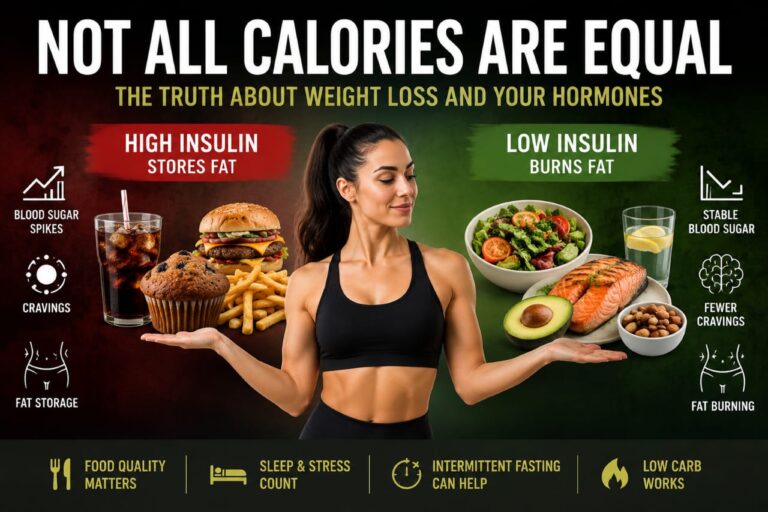
2. Do I need to completely stop eating carbohydrates to lose weight?
No. Carbohydrates can be part of a balanced diet.
Foods such as whole grains, potatoes, fruits, beans, and other carbohydrate-containing foods can provide energy and important nutrients.
Rather than eliminating carbohydrates completely, focus on overall food quality, portions, and a balanced diet that includes protein, vegetables, fruits, healthy fats, and appropriate carbohydrate sources.
Conclusion
Healthy weight loss does not have to involve extreme diets or complicated rules.
Simple habits such as choosing nutritious foods, paying attention to portions, drinking more water, staying physically active, eating mindfully, getting enough sleep, and remaining consistent can help create a healthier lifestyle.
The key is to focus on habits that are realistic enough to maintain over the long term. You do not need to change everything at once. Starting with one or two small improvements and gradually building from there can make the process feel much more manageable.
Most importantly, remember that weight is only one aspect of health. The goal should not simply be to reach a smaller number on the scale, but to build habits that support your overall health and well-being.
Small changes, repeated consistently, can become powerful changes over time.